Eclipse Enthusiasts Gather Worldwide for Rare Celestial Phenomenon
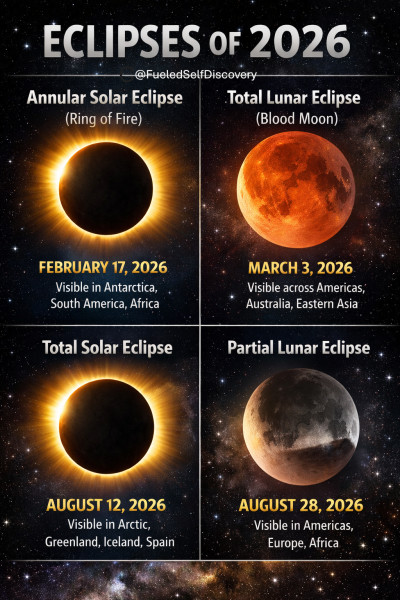
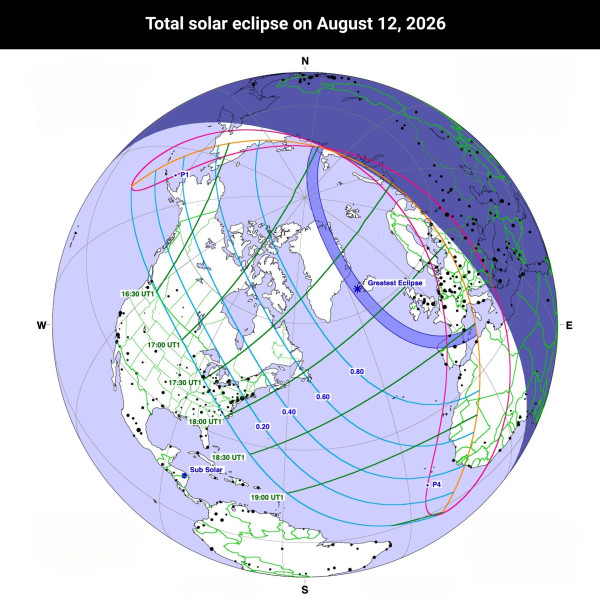
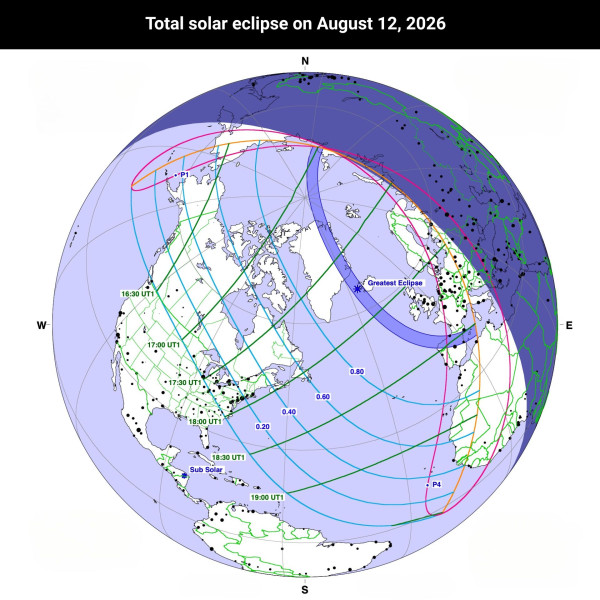
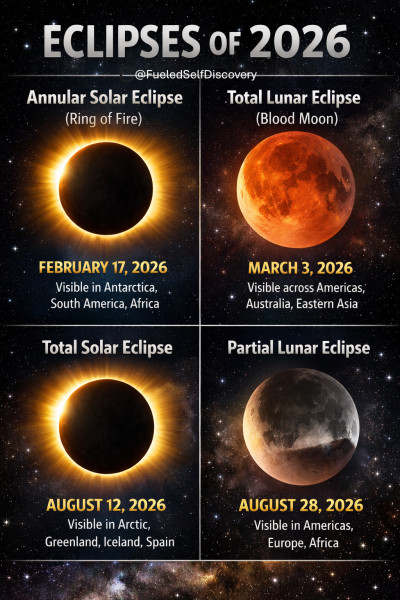
Solar eclipses are always a spectacle, but the upcoming total solar eclipse is particularly exciting, as it will be visible across a broad swath of the world, from Greenland and Iceland to northern Russia, Spain, and a small corner of Portugal. The event is also expected to be visible as a partial eclipse for a portion of the U.S., making it a rare opportunity for millions of sky watchers to witness the awe-inspiring phenomenon.
Where to See the Upcoming Eclipse
One of the most compelling aspects of this eclipse is its path, which will traverse some of the most picturesque and unique landscapes on the planet. The eclipse will first appear in Greenland, a land of ice and snow, before moving to Iceland, a country known for its volcanic activity and stunning geysers. The path will then stretch across northern Russia, a region rich in cultural heritage and natural beauty. Spain, with its vibrant culture and historic landmarks, will also be in the direct path of the eclipse.
For those in the U.S., the partial eclipse will be visible from parts of the northern states, offering a unique opportunity to witness the celestial event from a different perspective. And for those who prefer to stay indoors, live streams and online coverage will be available, ensuring that everyone can experience the eclipse, no matter where they are located.
The Science and Safety of Eclipse Viewing
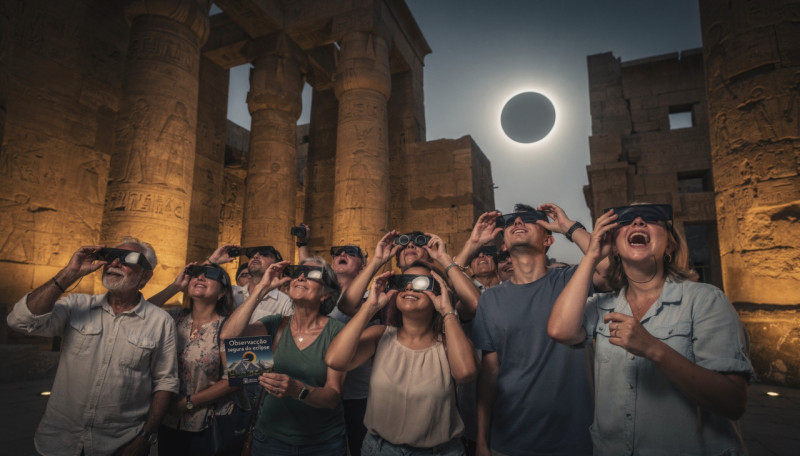
While the beauty of a solar eclipse is undeniable, it's important to remember that viewing it requires proper precautions. Looking directly at the sun, even during an eclipse, can cause permanent eye damage. Special eclipse glasses or filters are essential for safe viewing.
Despite the need for caution, the scientific community is excited about the opportunity to study the sun's corona, the outer layer of the sun's atmosphere, which is only visible during a total solar eclipse. This rare event allows scientists to gather data that would otherwise be impossible to obtain, providing valuable insights into the nature of our closest star.
Let's not kid ourselves, the solar eclipse is a thrilling event, but it’s also a reminder of the delicate balance of our planet and the cosmos. While the science behind the eclipse is fascinating, there are those who argue that the hype around such events can sometimes overshadow the more pressing issues of climate change and environmental conservation.
What to Expect During the Eclipse
The partial phases of the eclipse will run from approximately 15:34 to 19:57 UT, with the peak of the totality occurring right around 17:45 UT. This means that viewers in different parts of the world will experience the eclipse at different times, adding to the global excitement. The path of the eclipse will cover a vast area, making it accessible to a wide audience.
In addition to the scientific and cultural significance, the eclipse also has a profound impact on local ecosystems. The sudden darkness can disrupt animal behavior, and the temperature drop can affect local flora and fauna. The event is a reminder of the interconnectedness of our world and the delicate balance of nature.
For enthusiasts in the U.S., the eclipse will be a partial one, but no less spectacular. Millions across select states can catch a glimpse of this celestial event, making it a memorable experience for all.
Here’s what nobody’s asking: why do we continue to be so captivated by these celestial events? Perhaps it’s a reminder of our place in the universe, a moment of awe and wonder in an increasingly digital world. Or maybe it’s just the thrill of witnessing something so rare and beautiful.
As we prepare to witness this astronomical event, let's not forget the importance of safety and the need for proper precautions. With the right preparation, the upcoming solar eclipse promises to be an unforgettable experience for all.
"This eclipse is not just a spectacle; it's a natural laboratory for scientific discovery."
How does this story make you feel?
 Up next · ScienceNational Hurricane Center in High Alert for Two Emerging Tropical Waves