Lindsay Clancy Trial: Postpartum Psychosis and Tragedy in Court
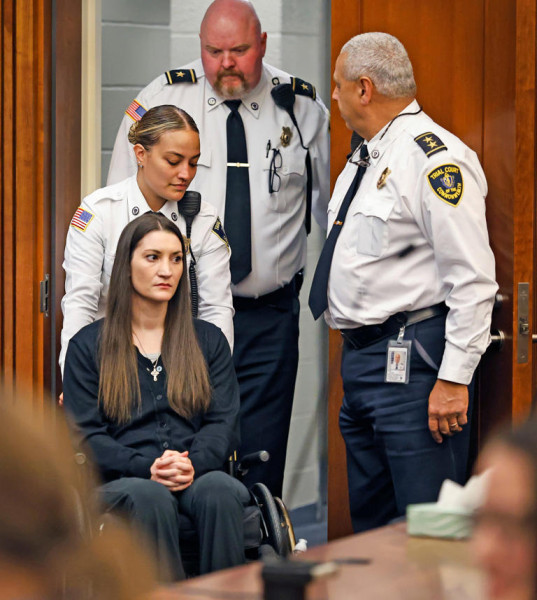
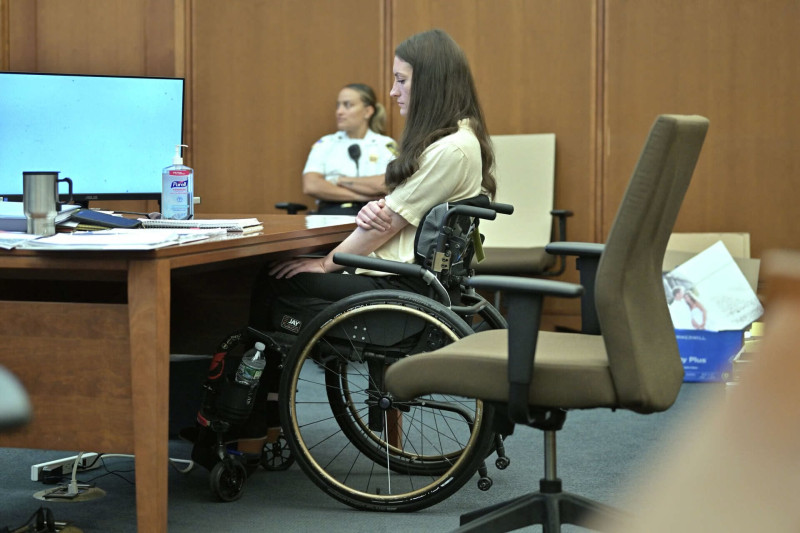
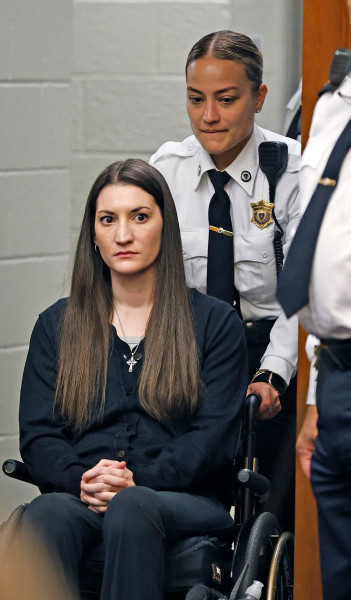
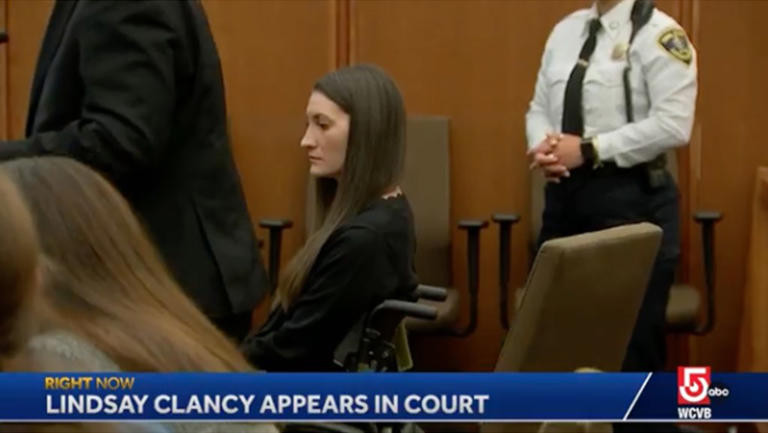
Lindsay Clancy, the mother accused of killing her three children, faced another day of intense scrutiny in her ongoing murder trial. The courtroom drama, fueled by revelations of postpartum psychosis and complex legal maneuvers, continues to captivate the public's attention. The trial has seen dramatic moments, including heartbreaking evidence and intense legal arguments over her mental state at the time of the tragedy.
Lindsay Clancy Trial Day 17: Key Moments and Legal Arguments
On the 17th day of the trial, the defense continued to build its case, focusing on Lindsay Clancy's mental state. The defense presented evidence suggesting Clancy was experiencing postpartum psychosis, a severe mental health condition that can occur after childbirth. This condition, marked by extreme confusion, paranoia, and auditory or visual hallucinations, was central to the defense's argument that Clancy was not criminally responsible for her actions.
Prosecutors, however, countered with evidence showing Clancy's actions were premeditated. Heartbreaking photos of her smiling children, taken just hours before the tragedy, were presented to the court, serving as a stark reminder of the loss and the gravity of the charges. The prosecution argued that Clancy's behavior leading up to the murders showed a clear intent, contradicting the defense's claims of altered mental state.
Throughout the trial, the courtroom has been a mix of emotional testimony and legal strategies. The defense has maintained that Clancy was not guilty by reason of insanity, while the prosecution has steadfastly pursued a murder conviction. The jury, meanwhile, has been tasked with the daunting responsibility of weighing these conflicting narratives and evidence.
The trial has also seen its share of unexpected developments. Mysterious jury drama, including the involvement of a chaplain, has added to the intrigue. These incidents, while not directly related to the case itself, have contributed to the overall atmosphere of tension and uncertainty in the courtroom.
Postpartum Psychosis: A Complex Defense Strategy
The defense's use of postpartum psychosis as a legal strategy has brought much-needed attention to a condition often misunderstood and stigmatized. Postpartum psychosis is a psychiatric emergency characterized by delusions, hallucinations, and extreme mood swings, often occurring within the first few weeks after childbirth. It is estimated that about 1-2 out of 1,000 women experience this condition, making it a rare but severe complication of childbirth.
Expert witnesses have testified about the debilitating effects of this condition, explaining how it can cause a mother to act in ways that are completely out of character. The defense has argued that Clancy, a nurse by profession, was not in her right mind when she took the lives of her children. Her actions, they contend, were a direct result of her psychotic episode, making her not criminally responsible.
The prosecution, however, has challenged this narrative, presenting evidence that suggests Clancy's actions were deliberate and calculated. They have pointed to Clancy's actions leading up to the murders, including her behavior and communications, to argue that her actions were not the result of an uncontrolled mental state.
This legal battle over Clancy's mental state has highlighted the complexities of the justice system's approach to mental health. The postpartum psychosis defense has brought to light the need for a more nuanced understanding of mental health conditions and their impact on criminal responsibility.
Jury's Deliberations and the Next Steps in the Trial
With the trial now in its 17th day, the jury is tasked with a monumental decision. They must weigh the competing narratives of mental illness versus premeditation. The defense's argument of postpartum psychosis stands in sharp contrast to the prosecution's portrayal of a deliberate and calculated act.
Jury drama has unfolded in unexpected ways, adding layers of complexity to an already tense situation.
The next steps in the trial will likely involve more detailed deliberations and possibly additional expert testimony. The jury's decision will hinge on their interpretation of the evidence and the legal standards for insanity and criminal responsibility. The legal standard for lack of criminal responsibility is a high bar, requiring clear and convincing evidence that the defendant's mental state was so impaired that they could not understand the nature and consequences of their actions.
The trial has been a rollercoaster of raw emotions and complex legal arguments. As the jury continues to deliberate, the spotlight remains on the postpartum psychosis defense and its implications for the justice system. The outcome of this trial will have far-reaching implications, not just for Lindsay Clancy, but for how the legal system handles cases involving severe mental health conditions.
How does this story make you feel?
 Up next · WorldKarmelo Anthony Case: The Latest in a High-Stakes Legal Battle