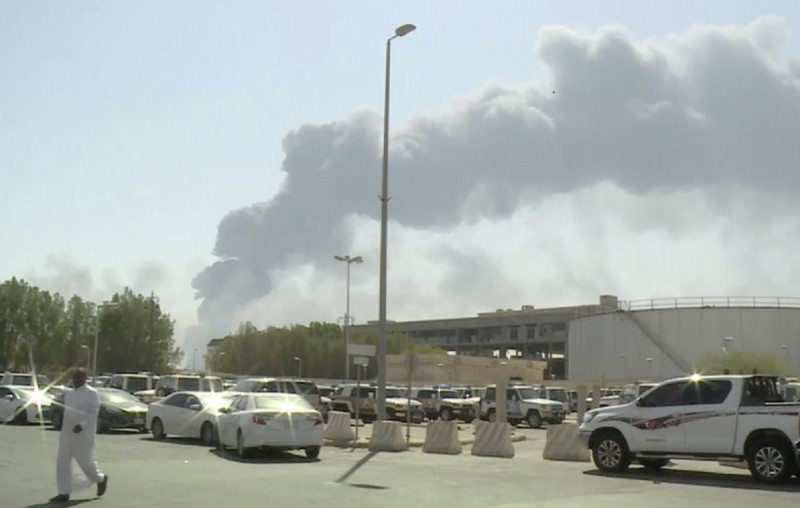
Saudi Arabia faces missile and drone attacks on airports
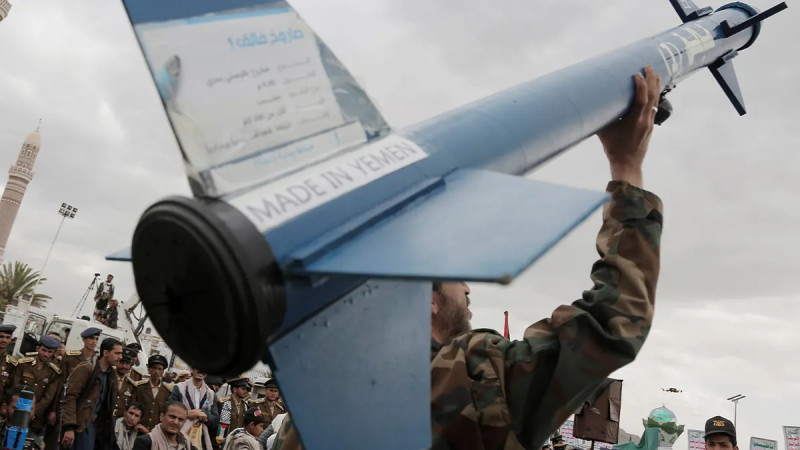
Iranian‑backed Houthi rebels have struck Saudi airports, killing dozens and injuring hundreds, prompting concerns over regional stability and U.S. involvement.
Key points
- Houthi rebels launched missile and drone attacks on King Khalid International Airport in Riyadh.
- The attacks killed at least 12 people and wounded more than 300, including foreign nationals.
- Crown Prince Mohammed bin Salman faces pressure as the United States weighs its response.
- Qatar has called for stronger protection of Gulf shipping and energy infrastructure.
The kingdom of Saudi Arabia, often seen as a bastion of stability in the volatile Middle East, has recently found itself under renewed scrutiny and under fire. Amidst a backdrop of mounting geopolitical tensions, the kingdom is grappling with a series of missile and drone attacks, raising concerns about the potential for a broader regional conflict and the involvement of the United States.
The Latest Escalation: Saudi Arabia's Civil Aviation Under Threat
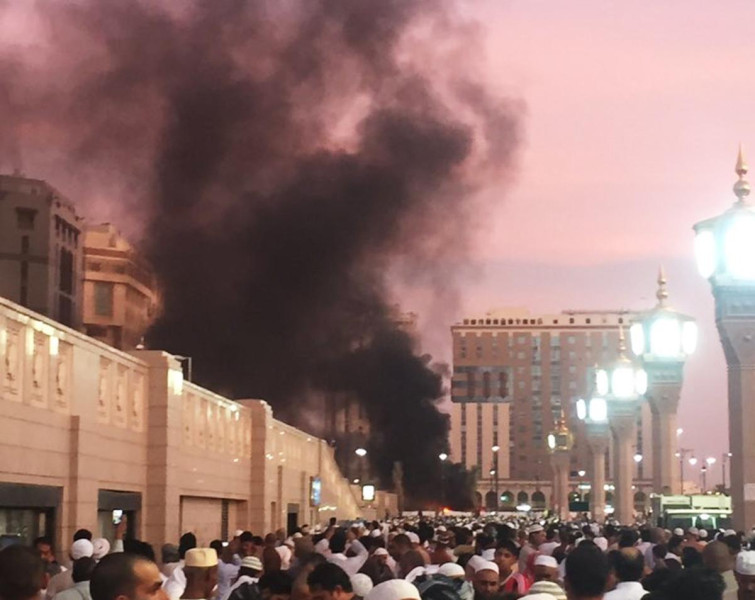
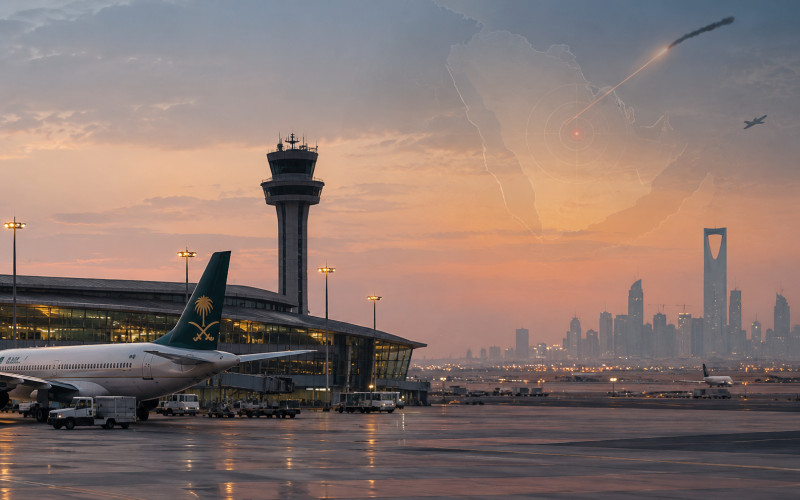
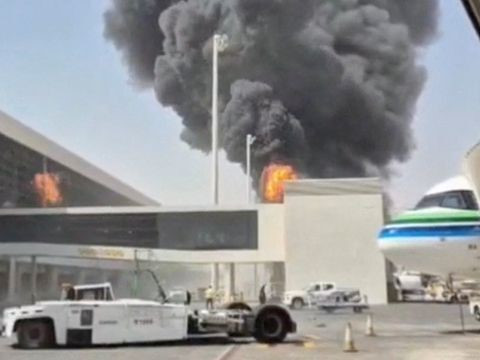
In recent times, the skies over Saudi Arabia have been increasingly contested, with Iranian-backed Houthi rebels launching coordinated attacks on the country's major airports. Three people were reported killed, and dozens were wounded in the attacks on King Khalid International Airport in Riyadh. This particular attack, which targeted a Saudia aircraft, highlights the escalating threat to civilian infrastructure in what is becoming a more dangerous game of geopolitical one-upmanship.
Assessing the U.S. Role: A Delicate Dance of Diplomacy and Military Maneuvers
The recent missile and drone strikes have not only disrupted the daily lives of Saudis but also have put the de facto ruler, Crown Prince Mohammed bin Salman, under immense pressure. There is mounting pressure to escalate a conflict that the kingdom has been attempting to extricate itself from for years, against an opponent that seems to be gaining strategic ground. The situation is further complicated by the United States' stance on the issue. While President Trump has publicly criticized the Houthis, the U.S. is also weighing its strategic response to the escalating threat, with Qatar urging stronger protection for Gulf shipping and energy infrastructure.
The Human Cost: Civilians in the Crossover of Middle Eastern Conflict
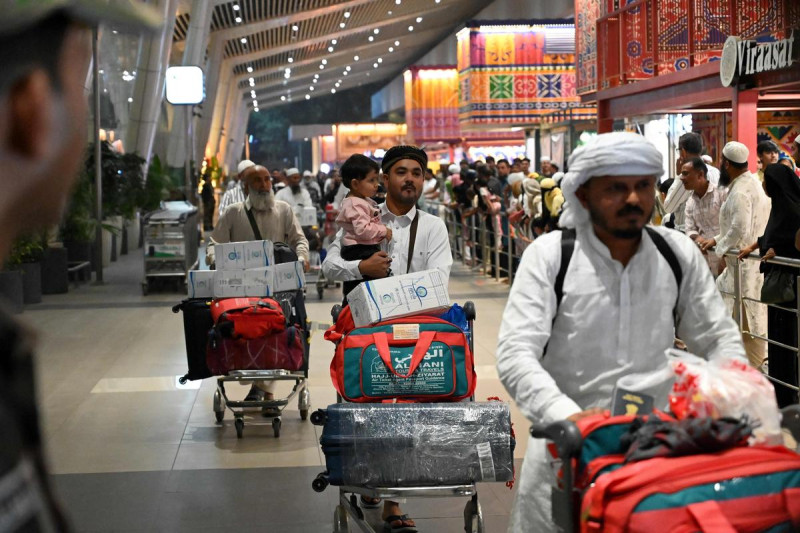
In the backdrop of these geopolitical machinations, the human cost of the conflict is often overshadowed. According to available reports, a missile attack on Riyadh's international airport has resulted in the deaths of 12 individuals, including foreign nationals, and injured more than 300. This grim tally underscores the real and present danger that civilians face in the escalating conflict. The specific details of the attacks, including the impact on Indian nationals living and working in Saudi Arabia, remain largely undocumented.
"Saudi Arabia is a key ally for the U.S. and the stability of the Middle East is of utmost importance for American interests in the region. The escalation of these attacks could have far-reaching implications that go beyond the immediate region," says Sarah Miller, a Middle East analyst at NDTV.
As the situation in Saudi Arabia continues to unfold, the world watches with bated breath, wondering whether the kingdom can find a path to peace amidst the crossfire of geopolitical rivalries. The spiraling conflict serves as a stark reminder of the delicate balance that must be maintained in the Middle East, where one misstep can have devastating consequences. Will Saudi Arabia, with the support of its allies, be able to counter the escalating threats and restore stability to the region, or will it become another flashpoint in a wider war?
Your questions, answered
Who carried out the recent attacks on Saudi airports?
Iranian‑backed Houthi rebels launched coordinated missile and drone attacks on Saudi airports.
How many casualties were reported from the Riyadh airport attack?
The attack resulted in at least 12 deaths and more than 300 injuries.
What is the United States' stance on the attacks?
President Trump publicly criticized the Houthis while the U.S. considers its strategic response.
Quick poll
Should the United States increase its military support to Saudi Arabia in response to the attacks?
0 votes
How does this story make you feel?
Topics
 Up next · WorldSevere thunderstorm watch issued for Kansas City as storms approach