The world was taken aback by the sudden outbreak of rumors regarding the alleged death of Israeli Prime Minister Benjamin Netanyahu. The internet buzzed with speculation and misinformation, with some claiming that Netanyahu had been killed in an Iranian strike. This situation highlights the challenges of navigating digital information and the importance of verifying sources.
Rumors about Netanyahu's death began circulating widely on social media, particularly after a video went viral. The video, which was misleadingly edited, suggested that the Israeli Prime Minister had been killed in a retaliatory strike from Iran. This misinformation quickly spread, triggering a wave of conspiracy theories and unfounded claims.
One of the most startling claims was that Netanyahu had six fingers on one hand, a detail that was quickly debunked by fact-checkers. Snopes, among other reliable sources, confirmed that the speculation about Netanyahu's death and the six-fingered claim was false. The video was later identified as an AI-generated deepfake, a sophisticated form of digital manipulation that can create convincing but false content.
The rumors intensified further after Netanyahu's absence from public view, leading some to believe that he had been seriously injured or killed during an Iranian missile attack. The lack of official statements and visual verification from Netanyahu's office only fueled the speculation.
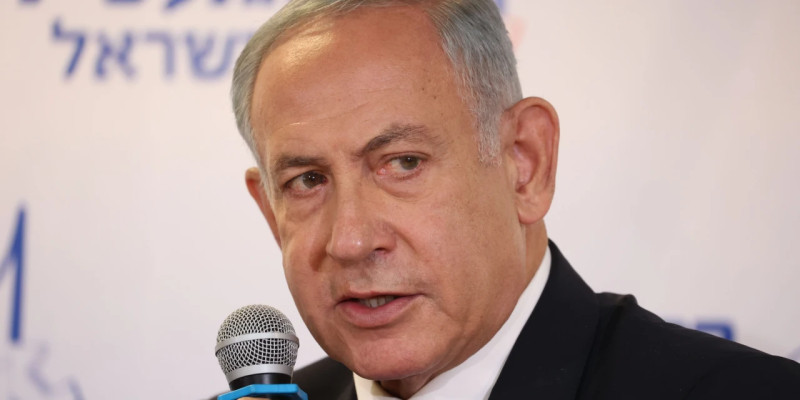
However, it is crucial to note that Netanyahu has been active and visible in his public duties. He has been involved in meetings and has even made public appearances recently. For example, he visited a missile strike site in Beit Shemesh, demonstrating his active role in governance. Official Israeli sources have confirmed that Netanyahu is alive and well, and that the rumors circulating on social media are entirely baseless.
Despite the misinformation, the broader context of escalating tensions in the Middle East adds a layer of complexity to the situation. The region has been a hotbed of conflict, with recent events such as the killing of the Iranian Supreme Leader Ali Khamenei adding to the volatile atmosphere. Netanyahu's public absence during this period was interpreted by some as a sign of his demise, but official statements and his subsequent appearances have clarified the situation.
One of the most striking aspects of this episode is the role of AI-generated content in spreading misinformation. The video that triggered the rumors was a deepfake, a type of synthetic media that uses artificial intelligence to create convincing but false content. This incident underscores the growing challenge of distinguishing between genuine and fabricated digital media, especially in the context of global politics and conflict.
In conclusion, the rumors about the death of Israeli Prime Minister Benjamin Netanyahu have been thoroughly debunked. Netanyahu is alive and continues to serve as the Israeli Prime Minister. The incident serves as a stark reminder of the importance of verifying information from reliable sources and being cautious of misinformation spread through social media and digital platforms, especially in times of heightened tension and conflict.